Coastal Resilience: Protecting Your Jersey Shore Investment After a Winter Freeze
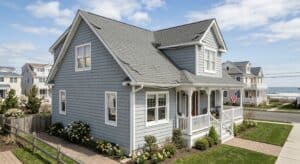
For many homeowners in Ocean City and the surrounding shore points, the first drive over the bridge after a long winter “cold snap” is filled with anticipation. There is nothing quite like the smell of the salt air and the promise of upcoming summer nights. However, that excitement is often tinged with a bit of “seasonal anxiety.”
While the Jersey Shore is stunning in the winter, it is also a brutal environment for a building’s exterior. The combination of sub-freezing temperatures, gale-force coastal winds, and the relentless expansion of ice can wreak havoc on a property, specifically the roof and soffit systems.
If you are returning to your beach house for the first time this season, a “health check” should be your first order of business. The good news? You don’t need to risk a climb on a ladder to spot trouble. You can perform a highly effective preliminary evaluation safely from the ground.
The Perimeter Patrol: Assessing Damage from the Ground
Before you even unpack the car, take a slow, deliberate walk around your home’s exterior. If you have a pair of binoculars, grab them; they are a coastal homeowner’s best friend for spotting subtle structural shifts.
1. Shingle Integrity and “Wind Lift”
The Jersey Shore is notorious for high-velocity winds that can turn a small shingle vulnerability into a major leak. Scan your roofline for shingles that appear “cupped,” curled at the edges, or are missing entirely. When shingles become brittle in the cold, wind can easily lift them, breaking the sealant strip and exposing the roof deck to the inevitable spring rains.
2. The Soffit and Fascia “Tell”
The soffit (the material covering the underside of your roof overhang) is the “canary in the coal mine” for roof health. It is often the first place to show signs of ice damming. Look for sagging panels, tell-tale water stains, or dark, fuzzy spots indicating mildew. If the soffit appears to be pulling away from the siding, it’s a sign that ice expanded behind the trim during the freeze, potentially compromising the wood rafter tails.
3. Gutter Geometry
Ice is heavy. A single foot of ice in a gutter can weigh significantly more than the system was designed to hold. Check to see if your gutters are sagging, tilted outward, or pulling away from the roofline. Gaps here allow water to bypass the drainage system entirely, pouring directly into your soffits or against your foundation.
4. Ground Clues
Look at your flower beds and walkways. Are there piles of shingle granules (which look like coarse, dark sand) or fragments of aluminum trim? A heavy loss of granules indicates that your shingles are reaching the end of their life cycle and were further eroded by winter’s abrasive winds.

The Interior “Early Warning” System
Once inside, head straight for the top floor. You are looking for subtle clues that moisture has bypassed your exterior defenses.
- The “Tea Stain” Effect: Check your ceilings for faint, yellowish, or tea-colored rings. Even if the spot feels dry to the touch, it indicates that snow melted behind your shingles during the winter and seeped into the drywall.
- Corner Bubbling: Inspect the interface where the walls meet the ceiling. If paint is bubbling or wallpaper is beginning to peel, it suggests moisture is trapped inside the wall cavity—a precursor to mold.
- The Attic “Light Test”: If you have attic access, go up with a flashlight but turn it off for a moment. If you see pinpricks of daylight through the roof boards, you’ve found an entry point for both water and pests.
Why Immediate Action is Critical for Coastal Homes
On the coast, time is not on your side. A minor leak from a winter freeze won’t remain minor for long. With spring “Nor’easters” on the horizon, a compromised roof can quickly lead to structural rot.
Furthermore, the salt-rich air of the Jersey Shore accelerates the deterioration of any exposed wood or metal. Once the protective shingle layer is breached, the salty humidity works to corrode fasteners and rot plywood at a much faster rate than it would inland.
Trust the Local Experts
If your ground-level inspection reveals anything suspicious, don’t wait for a major storm to confirm your fears. Shore Points Roofing specializes in the unique architectural and climatic needs of coastal New Jersey. We understand how salt air, humidity, and wind-driven rain influence different roofing materials.
Special Spring Offer: For a limited time, Shore Points Roofing is offering a Comprehensive Seasonal Roof Health Check for second homeowners. Don’t let a winter “cold snap” turn into a summer of construction. Ensure your investment is secure so you can focus on what really matters: enjoying the beach.