Historic Walking Tour: The Historic District of Ocean City
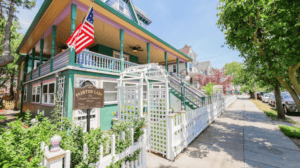
While the Boardwalk draws crowds with its neon lights and Ferris wheel hum, the quiet side streets of Ocean City conceal a colorful “Victorian” secret that predates the city’s modern attractions. Turning away from the ocean and venturing into the residential North End transforms the pavement into a living exhibit. There, the “Painted Ladies,” vibrant and meticulously restored 19th-century homes, serve as elegant sentinels of a bygone era. They embody the island’s architectural heritage, narrating a tale of craftsmanship, prestige, and a distinctive coastal lifestyle.
The Historic District: Preserving the Dream
To find the most valuable treasures, visit the Ocean City Historic District. Typically stretching from 3rd to 8th Streets, mainly between Central and Ocean Avenues, this area represents the heart of the town’s heritage. It was established to protect the community’s unique character amid fast-paced development that has transformed much of the New Jersey coastline into a landscape of modern glass and vinyl.
In this district, preservation goes beyond a mere hobby for residents; it is seen as a civic duty. By safeguarding these historic structures, the city helps keep alive the vision of the founding Lake brothers—a community of beauty, order, and tradition. Strolling through these streets offers a sense of stepping back in time, with the buildings maintaining an inviting scale and mature trees creating a canopy that muffles the noise of modern life.
Architectural Styles: How to Spot a Classic
For the amateur historian, a walking tour presents a lesson in Victorian aesthetics. The North End offers a charming variety of architectural styles, each with its unique character.
- Queen Anne homes are the most flamboyant of the Painted Ladies. They feature asymmetrical facades, steep gabled roofs, and circular turrets reminiscent of fairy tales. These houses are frequently painted in three or four contrasting colors to highlight the detailed “gingerbread” trim and patterned shingles.
- Gothic Revival homes feature pointed arches and steep, vertical lines. They often have “vergeboards”—ornamental, lace-like wood carvings along the roofline—creating a romantic, cathedral-like appearance.
- Stick Style: An early form of Victorian design that focuses on the house’s framework. It features vertical, horizontal, and diagonal boards—called “sticks’—arranged on the exterior to create a grid pattern that showcases the timber framework.
The Porch Culture: Ocean City’s Original Social Network
The wraparound porch is arguably the most recognizable feature of the North End Victorian. In the late 1800s, before the advent of air conditioning and television, it functioned as the social hub of the home. It was built practically to catch cross-breezes from the ocean and the bay.
The porch also cultivated a distinctive social environment. In Ocean City, it has long served—and continues to serve—as a communal space. Described as a “liminal” area, it blends private and public features. Rocking in a porch chair enables residents to partake in neighborhood life, greet passersby, and hold “over-the-rail” chats. This welcoming attitude contributed to the North End’s reputation as a warm, close-knit community. Even now, on warm summer evenings, families gather on these historic porches to play cards or share taffy, showing that some social bonds can thrive without screens.
The Painted Ladies of the North End are more than beautiful houses; they serve as the physical emblem of Ocean City’s history. They remind us that before the island became a “resort,” it was a community founded on elegance, craftsmanship, and neighborly ties.