Chanel Postrel on The Quiet Authority of 18th-Century Design in Defining Modern Luxury Interiors
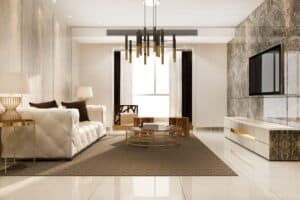
Luxury in interior design is often mistaken for scale, cost, or visual impact. Yet, within the most enduring spaces, influence operates more quietly. Chanel Postrel highlights that the principles rooted in 18th-century interior design continue to define what modern luxury actually feels like, not through excess, but through proportion, restraint, and intentional composition.
In an era where trends move rapidly and aesthetics shift with digital influence, the persistence of classical design language suggests something deeper at play. Chanel Postrel says that the most refined interiors are those based on systems that have proven their durability, not trends.
The Structural Intelligence of 18th-Century Interiors
The 18th century established a design framework that continues to shape our understanding of space today. Rather than focusing on decoration alone, interiors from this period emphasized structure, balance, and hierarchy.
Core principles include the following:
- Symmetry as a foundation for visual stability
- Proportion as a tool for spatial harmony
- Defined focal points that guide movement through a room
- Layered detailing that builds depth without overwhelming the space
Chanel Postrel notes that these principles were not aesthetic preferences; they were systems designed to create coherence. Modern interiors that feel effortlessly refined often rely on these same underlying structures, even when the stylistic expression appears contemporary.
Chanel Postrel on Why Modern Spaces Feel Incomplete Without Historical Reference
Many modern interiors prioritize minimalism and open space, yet often lack the sense of grounding that defines more enduring environments. This absence is not due to simplicity itself but to the removal of structural anchors.
Chanel Postrel identifies that:
- Pure minimalism can strip spaces of visual hierarchy
- Over-simplified layouts may reduce functional clarity
- Lack of detailing can make spaces feel temporary rather than permanent
By contrast, incorporating elements inspired by 18th-century design reintroduces a sense of order. This does not require replication but reinterpretation.
The Role of Antiques in Establishing Authenticity
Antiques serve a purpose beyond decoration. They introduce material authenticity, craftsmanship, and historical continuity into a space.
Their value lies in:
- Unique construction methods not found in modern mass production
- Patina that reflects time and use
- Design details that anchor a room within a broader historical narrative
Chanel Postrel emphasizes that even a single antique piece can recalibrate the perception of an entire interior. It creates contrast against newer elements and reinforces a sense of permanence.
Blending Classical Structure with Modern Restraint
The most effective interiors today do not replicate the past; they integrate it. The balance between classical influence and modern restraint is where design becomes both relevant and timeless.
This balance often includes:
- Clean architectural lines paired with traditional moldings
- Neutral palettes supported by historically inspired materials
- Contemporary furniture placed within classically structured layouts
- Selective ornamentation rather than full decorative immersion
Chanel Postrel highlights that this approach avoids the extremes of both minimalism and maximalism, creating spaces that feel intentional rather than reactive.
Chanel Postrel on the Influence of the Ralph Lauren Aesthetic
The Ralph Lauren aesthetic has become a modern interpretation of classical design principles, blending heritage with accessibility.
Its defining characteristics include the following:
- Layered textures such as leather, wood, and natural fibers
- A balance between ruggedness and refinement
- A curated mix of vintage and contemporary elements
- A strong sense of narrative within the space
Chanel Postrel observes that this aesthetic resonates because it applies 18th-century principles in a way that feels lived-in rather than formal. It translates historical structure into modern lifestyle design.
Why Proportion Matters More Than Decoration
Decoration often receives the most attention, but proportion determines whether a space feels balanced or disjointed.
Key proportional considerations include the following:
- The relationship between furniture size and room scale
- Ceiling height in relation to vertical elements such as shelving or art
- Spacing between objects to maintain visual clarity
- Alignment of architectural features to create cohesion
Chanel Postrel stresses that without correct proportion, even the most carefully selected pieces can feel misplaced. With it, even simple interiors gain a sense of sophistication.
Material Selection as a Marker of Longevity
Materials play a critical role in how a space ages over time. The 18th century favored materials that looked refined and improved with use.
Common characteristics include:
- Natural materials such as wood, stone, and linen
- Finishes that develop character rather than degrade
- Craftsmanship that prioritizes durability over speed
Chanel Postrel notes that modern interiors often overlook this aspect, leading to spaces that feel outdated more quickly. Material selection, when aligned with classical principles, extends the lifespan of a design.
Chanel Postrel on Designing for Permanence in a Trend-Driven Era
The pace of design trends has accelerated, driven by digital platforms and rapid consumption cycles. However, not all spaces are meant to evolve at the same speed.
Chanel Postrel identifies a growing distinction between the following:
- Trend-based design, which prioritizes immediacy and visual impact
- System-based design, which prioritizes longevity and adaptability
Interiors rooted in 18th-century principles fall into the latter category. They are designed to accommodate change without losing their core identity.
Conclusion: Quiet Authority Defines Lasting Design
The influence of 18th-century interior design persists not because of nostalgia, but because of its structural clarity. As Chanel Postrel underscores, the most compelling interiors today are those that operate with quiet authority, spaces where every element feels intentional, balanced, and enduring.
Rather than chasing trends, these environments rely on systems that have already demonstrated their value over time. Through proportion, material integrity, and thoughtful integration of historical elements, modern interiors can achieve a level of sophistication that does not fade with changing aesthetics.
In this context, Chanel Postrel makes it clear that true luxury is not defined by visibility but by permanence.