How Non-Invasive Treatment Methods Are Reshaping Recovery and Patient-Centered Care
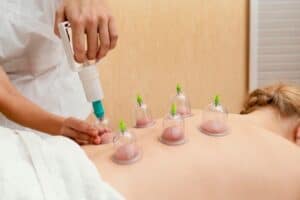
In modern clinical environments, cupping sets are increasingly being integrated into treatment plans that prioritize recovery, comfort, and individualized care. As healthcare continues to evolve, non-invasive methods are gaining traction for their ability to support healing without adding unnecessary strain on the body.
This shift reflects a broader move toward patient-centered care, where outcomes are measured not just by results but by the overall experience of treatment.
The Shift Toward Patient-Centered Recovery Models
Healthcare providers are placing greater emphasis on treatments that align with patient needs, preferences, and long-term well-being. Rather than relying solely on aggressive or high-intervention approaches, clinics are adopting methods that support gradual and sustainable recovery.
Non-invasive therapies are central to this model because they:
• Reduce physical stress on the body
• Allow for more flexible treatment plans
• Improve patient comfort during sessions
• Encourage consistent participation in care programs
Within this framework, cupping sets have become a practical tool for delivering targeted, low-impact therapy.
How Cupping Sets Support Recovery-Focused Treatments
Recovery is no longer viewed as a passive phase; it is an active, structured part of treatment. Non-invasive tools allow practitioners to address discomfort, muscle tension, and circulation in a controlled manner.
Using cupping sets, clinicians can:
• Stimulate localized blood flow to support healing
• Address muscle tightness and physical fatigue
• Assist in post-activity or post-treatment recovery
• Enhance relaxation as part of therapeutic care
These benefits make cupping therapy a valuable addition to modern recovery strategies.
Why Non-Invasive Methods Improve Patient Experience
Patient-centered care places significant importance on how treatments feel, not just what they achieve. Comfort, accessibility, and trust all contribute to better outcomes.
Non-invasive approaches using cupping sets help improve patient experience by:
• Offering a gentler alternative to intensive procedures
• Reducing anxiety associated with treatment
• Providing a more controlled and adjustable therapy process
• Creating a calming and supportive environment
When patients feel more comfortable, they are more likely to remain engaged in their treatment plans.
Integrating Suction Cup Therapy Sets Into Modern Clinical Practice
One of the key strengths of non-invasive therapies is their ability to integrate with other treatment modalities. Clinics are increasingly combining traditional and modern approaches to create comprehensive care plans.
Cupping sets are commonly used alongside:
• Physical therapy and rehabilitation programs
• Sports recovery and performance care
• Stress management and relaxation therapies
• Holistic wellness treatments
This flexibility allows practitioners to tailor treatments to individual patient needs.
The Role of Consistency and Control in Treatment Outcomes
Consistency is essential in achieving reliable outcomes in any clinical setting. Tools that provide predictable and repeatable results contribute significantly to treatment success.
Modern cupping sets are designed to:
• Deliver controlled suction for precise application
• Maintain consistent performance across sessions
• Support hygienic and safe use in clinical environments
• Adapt to different treatment intensities
These features help practitioners deliver standardized care while still personalizing treatment for each patient.
Research Supporting Non-Invasive Therapy Approaches
Ongoing research into the effectiveness and benefits of non-invasive therapies supports their growing adoption. Organizations like the National Center for Complementary and Integrative Health continue to explore how integrative health approaches contribute to recovery and wellness.
Such research reinforces the role of tools like cupping sets in the following:
• Supporting complementary treatment strategies
• Enhancing patient-centered care models
• Providing alternative options for recovery
• Expanding the scope of modern clinical practice
This evidence-based perspective strengthens confidence in non-invasive methods.
Meeting the Demand for Holistic and Preventive Care
Today’s patients are increasingly prioritizing preventive care and long-term wellness. This shift has influenced how clinics design their services and treatment offerings.
Cupping sets align with these expectations by:
• Supporting early intervention for muscle tension and discomfort
• Promoting relaxation and stress reduction
• Encouraging ongoing maintenance of physical health
• Complementing broader wellness strategies
This proactive approach helps reduce the need for more intensive treatments later.
Enhancing Efficiency Without Compromising Care
While patient experience is a priority, efficiency remains important in busy clinical environments. Non-invasive tools must support both quality care and practical workflow.
Clinics benefit from using cupping sets because they:
• Are easy to set up and apply
• Require minimal maintenance
• Deliver reliable results with each use
• Fit seamlessly into structured treatment sessions
This balance allows practitioners to maintain high standards without increasing complexity.
The Future of Patient-Centered Non-Invasive Therapies
As healthcare continues to evolve, the role of non-invasive treatments will likely expand. Advances in technology and research are making these methods more effective and accessible.
Future developments may include:
• Improved design and functionality of therapy tools
• Greater integration with digital health monitoring systems
• Expanded research into long-term benefits
• Increased adoption across diverse medical and wellness settings
Within this evolving landscape, cupping sets will remain a relevant and valuable component of patient-centered care.
A More Balanced Approach to Recovery and Care
The shift toward non-invasive treatment methods reflects a more profound understanding of what patients need: effective care that respects comfort, promotes recovery, and supports long-term well-being.
By incorporating tools like cupping sets, clinics can deliver treatments that align with these priorities, offering a balanced approach that combines performance, flexibility, and patient satisfaction. As patient-centered care continues to shape the future of healthcare, non-invasive therapies will play an increasingly important role in defining successful outcomes.