How Scientific Research Is Advancing Energy Efficiency in Animal Nutrition
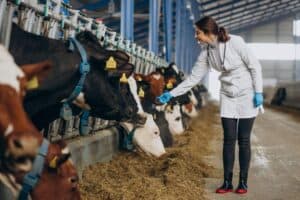
In modern feed formulation, poultry fat research is playing a pivotal role in improving energy delivery, feed efficiency, and overall performance across animal production systems. As global demand for sustainable and high-performing nutrition solutions increases, feed design and optimization are becoming increasingly reliant on energy-dense ingredients.
Scientific advancements are now helping producers better understand how fats contribute not just calories but functional value that enhances productivity and sustainability.
The Growing Importance of Energy in Feed Formulation
Energy is one of the most critical components of any feed ration. It directly impacts growth rates, reproduction, and overall animal health. However, not all energy sources are equal in how efficiently they are utilized.
This is where poultry fat research gives valuable insights into the following:
- How energy density influences feed conversion ratios
- The role of fats in improving nutrient absorption
- The balance between protein and energy for optimal performance
- Strategies to reduce feed costs while maintaining output
By focusing on energy efficiency, nutritionists can create more effective and economical feed programs.
Understanding the Role of Fats in Animal Nutrition
Fats serve as a concentrated energy source, delivering more calories per unit compared to proteins or carbohydrates. Beyond energy, they also contribute to several physiological functions.
Through ongoing poultry fat research, experts have identified benefits such as the following:
- Enhanced palatability, encouraging better feed intake
- Improved absorption of fat-soluble vitamins
- Support for metabolic efficiency
- Contribution to overall animal health and productivity
These findings highlight the importance of incorporating high-quality fats into modern feed systems.
How Poultry Fat Research Is Driving Feed Efficiency
Feed efficiency is a key metric in animal production. The ability to convert feed into growth or output determines both economic and environmental outcomes.
Insights from poultry fat research demonstrate how:
- Energy-dense ingredients reduce the total volume of feed required.
- Improved digestibility leads to better nutrient utilization.
- Balanced formulations enhance overall performance.
- Reduced waste contributes to more sustainable operations
By optimizing energy delivery, producers can achieve higher efficiency with fewer resources.
Supporting Sustainability Through Energy Optimization
Sustainability is a major focus across the agricultural sector. Efficient use of resources is essential for reducing environmental impact while meeting production demands.
The application of findings from poultry fat research supports sustainability by:
Lowering feed consumption through higher energy density
Reducing the carbon footprint of feed production
Utilizing rendered products that contribute to circular economy practices
Minimizing waste within the production cycle
These benefits align with the industry’s goal of producing more with less.
Why Poultry Fat Remains a Valuable Energy Source
Consistency and reliability are essential when selecting feed ingredients. Variability can lead to inconsistent results and increased costs.
Research-backed insights into poultry fat show that it offers:
- Stable energy content across batches
- High digestibility for various animal species
- Compatibility with diverse feed formulations
- Proven performance in commercial production settings
These characteristics make it a dependable component in energy-focused feed strategies.
Bridging Research and Real-World Applications
Scientific findings must translate into practical solutions for producers. The effectiveness of any feed ingredient is ultimately measured by its real-world performance.
Through applied poultry fat research, industry professionals have demonstrated:
- Consistent improvements in feed conversion efficiency
- Adaptability across livestock, poultry, and aquaculture systems
- Flexibility in different production environments
- Reliable outcomes in large-scale operations
This connection between research and application ensures that innovations deliver measurable value.
The Role of Research Organizations in Advancing Knowledge
Ongoing research is essential for maintaining progress in animal nutrition. Organizations like the U.S. Department of Agriculture contribute to the development of standards and offer useful information about feed efficiency and sustainability.
These efforts support poultry fat research by:
- Establishing benchmarks for performance and safety
- Encouraging innovation in feed formulation
- Providing data that informs industry practices
- Supporting global efforts to improve food production systems
Such collaboration strengthens the foundation of modern animal nutrition.
Enhancing Performance Across Multiple Industries
Energy optimization is relevant across a wide range of animal production sectors. Each industry benefits from improved feed efficiency and reliable energy sources.
Applications influenced by poultry fat research include:
- Livestock production for meat and dairy
- Poultry farming for eggs and meat
- Aquaculture systems requiring high-energy diets
- Pet food manufacturing focused on balanced nutrition
These diverse applications demonstrate the versatility of energy-dense ingredients.
Preparing for the Future of Feed Innovation
As demand for animal protein continues to grow, the need for efficient and sustainable feed solutions will only increase. Research will play a central role in meeting these challenges.
Future directions in poultry fat research may include:
- Advanced processing methods to improve nutrient availability
- More precise formulation techniques using data analytics
- Expanded applications in emerging markets
- Continued focus on sustainability and resource efficiency
These developments will help shape the next generation of feed strategies.
Building a More Efficient and Sustainable Feed System
Energy efficiency is at the heart of modern animal nutrition. Producers can achieve better outcomes and reduce environmental impact by optimizing energy delivery and utilization.
Through continued advancements in poultry fat research, the industry is developing solutions that balance performance, sustainability, and economic viability. As research evolves, energy-focused feed strategies will remain essential to supporting global food production and meeting the demands of a growing population.