Storm-Ready in Ocean City: Protecting Your Home’s Heating, Cooling and Plumbing
From Broadley’s Plumbing, Heating & Air Conditioning — serving Ocean City since 1911
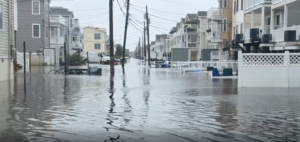
If you live in Ocean City, you already know the routine. A nor’easter shows up on the forecast, the city sends out its alerts, and everyone starts moving cars off the low streets before high tide. This past September, a nor’easter pushed about a foot of water into some first floors in town, reminding us that the storms that do the most damage here aren’t always hurricanes. Nor’easters can sit off the coast for days and bring flooding with every high tide.
Most storm checklists cover flashlights, batteries, and bottled water. Those matter. But in a barrier-island town, the costliest storm damage often happens out of sight: in the furnace in the garage, the water heater in the utility closet, the AC condenser on the ground beside the house, and the sewer line under the street. Here’s how to protect those systems before, during, and after the next big storm.
Why your mechanical systems are at risk
Many Ocean City homes, especially older ones, have furnaces, boilers, water heaters, and ductwork at or near ground level. When bay water rises, that equipment is often the first thing it reaches. Flood water here is salt water, and salt water is especially hard on equipment. It corrodes metal, ruins electrical controls and circuit boards, and can keep doing damage long after the water drains away.
The most common storm-related problems we see:
- Flooded furnaces, boilers and water heaters. Gas valves, burners, igniters and control boards that have been under water usually can’t be safely reused.
- Damaged outdoor AC and heat pump units. Condensers sitting on a pad at grade can be submerged, and wind can throw debris into the coils and fan.
- Sewer backups. When streets flood and the sewer system is overwhelmed, wastewater can flow back up into floor drains, showers and toilets.
- Sump pumps that fail when they’re needed most. If the power goes out, a pump without a battery backup stops working.
- Frozen pipes in empty homes. Winter storms and power outages can freeze lines in second homes and rentals, where nobody is around to notice until a pipe bursts.
Upgrades that pay off during storm season
The best time to prepare is on a calm day, long before a storm is in the forecast. Consider these upgrades:
- Raise your equipment. Moving a furnace, air handler or water heater to a higher floor, or setting an outdoor condenser on an elevated platform, is one of the most effective ways to protect it from flooding.
- Install a backwater valve. This device lets wastewater flow out of your home and keeps it from flowing back in when the sewer system backs up.
- Add battery backup to your sump pump. A backup keeps the pump running when the power goes out, which is usually when you need it most.
- Secure outdoor units. Hurricane straps or tie-downs help keep condensers and heat pumps in place during high winds.
- Know where your shutoffs are. Every adult in the house should know how to shut off the main water valve, the gas supply and the electrical breakers for HVAC equipment.
- Schedule a maintenance visit. A technician can catch worn parts, corroded connections and weak pumps before a storm puts them to the test.
When a storm is on the way
- Sign up for Ocean City’s emergency alerts and watch the predicted high tides on the bay side.
- Test your sump pump by pouring a bucket of water into the pit and confirming it turns on.
- Clear leaves and debris away from outdoor AC and heat pump units, and bring in loose items that could be blown into them.
- Set your thermostat and confirm your heating system is running normally, especially if you’re leaving town.
- If you have a portable generator, test it and place it outdoors, well away from doors, windows and vents. Never run a generator in a garage, even with the door open.
- Move valuables, important papers and anything you can’t replace off the ground floor.
- Take photos of your equipment and its model numbers. They’ll help with insurance claims later.
During the storm
- If water is about to reach your furnace, water heater or electrical panel, and you can do it safely and stay dry, turn off the power to that equipment at the breaker. Never stand in water to touch an electrical panel.
- If you smell gas, leave the house right away and call 911 and your gas utility from outside.
- Don’t use sinks, showers or toilets more than you need to if the streets are flooded. This lowers the chance of a sewer backup.
After the water goes down: don’t flip the switch yet
This is the step where homeowners most often make the damage worse. It’s natural to want to turn everything back on right away, but any heating, cooling, or water-heating equipment that sat in floodwater should be inspected by a licensed professional before you run it. Water-damaged gas controls can fail in dangerous ways, and starting a flooded system can turn a repairable problem into a full replacement.
After a flood:
- Keep flooded equipment off until it’s been checked.
- If water came up through your drains, treat it as sewage. Keep children and pets away and clean and disinfect affected areas thoroughly.
- Look for signs of damage to outdoor units, such as bent fins, debris in the fan or a unit that has shifted off its pad.
- Photograph everything before cleanup and keep receipts for repairs to support your insurance claim.
- Have your ductwork inspected. Ducts that were underwater can hold moisture, mold, and contaminants.
A note for second-home and rental owners
Many Ocean City homes sit empty for much of the fall and winter, which is exactly when nor’easters are most common. If you’re not here year-round:
- Keep the heat at a safe minimum (55°F is a common recommendation) to protect pipes.
- Consider a smart thermostat and water-leak sensors that alert your phone if the temperature drops or water appears.
- Arrange for someone local to check on the property after every major storm.
- Talk to a professional about properly winterizing the plumbing if the home will be empty for a long stretch.
Why a local partner matters
When a storm hits the island, every service company in the region gets busy at once. Having a relationship with a local company before that happens makes a real difference.
Broadley’s started on Asbury Avenue in Ocean City in 1911 and has been serving the island’s homes and businesses ever since, now from our shop at 115 Roosevelt Boulevard in Marmora. We’re a family-owned company, and after more than a century we know Ocean City’s houses: the older homes with equipment in the garage, the raised new construction, and the bayside blocks where the water comes up first.
We can help you get ready for storm season and recover afterward, including:
- Seasonal maintenance for heating and air conditioning systems, including preventive maintenance plans
- Repair and replacement of storm-damaged furnaces, boilers, heat pumps, AC units and water heaters
- Plumbing inspections and upgrades to reduce the risk of backups and frozen pipes
- Advice on protecting and elevating equipment in flood-prone homes
If you are impacted by the storm tomorrow. Call Broadley’s at 609-390-3907 or visit broadleys.net to schedule a pre-storm inspection or sign up for a maintenance plan.
Local storm resources
- Emergencies: call 911
- Ocean City Police & Fire non-emergency line: 609-399-9111
- City of Ocean City: ocnj.us, for emergency alerts, flood updates and Office of Emergency Management notices