Beyond the Beach: Demystifying the Magic of Summer Rosés
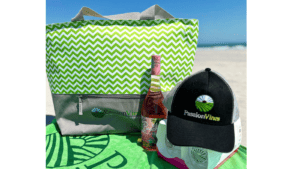
As the midsummer sun warms the Ocean City boardwalk, both locals and visitors rush for cold drinks. While ice-cold beers and chilled white wines remain popular staples, the category that has dramatically reshaped the global wine scene in recent years is rosé.
Based on global industry data from MDPI, a leading research journal, one in ten bottles of wine sold worldwide is now rosé. Despite its widespread popularity for casual sipping on breezy coastal decks, producing high-quality pink wine is a refined and complex craft—more intricate than making traditional whites or reds.
Our friends at Passion Vines want to help you look like a savvy connoisseur at your next shore gathering. Understanding how these seasonal favorites transition from grape to glass makes all the difference.
The Art of the Pink Hue: How Rosé is Crafted
Many believe winemakers just mix red and white wines like paint. However, this “blending method” is actually quite rare and strictly prohibited by nearly all major European regulatory authorities if a winemaker aims for regional certification.
Instead, high-quality pink wine relies on a technique called limited maceration.
To understand this process, it helps to look at how red and white wines differ at harvest:
- White Wines: Grape skins are removed from the juice right after crushing.
- Red wines involve keeping the juice in contact with the dark grape skins, seeds, and stems—a process known as maceration—that lasts from four days up to more than a month. This prolonged contact extracts the rich color, complex flavors, and substantial tannins.
- Rosé wines are made by pressing red grapes and allowing the skins to stay in contact with the juice for a short time—typically only a few hours to a day or two. Once the juice reaches the ideal pink hue, the skins are removed, and fermentation proceeds.
The specific grape variety and the duration the juice remains in contact with the grape skins decide if the bottle appears as a pale, onion-skin orange or a bright, deep magenta.
Your Summer Shopping List: Global Rosés to Try This Weekend
Whether you’re hosting a formal seafood dinner or packing a cooler for a relaxing afternoon on a bayfront porch, the worldwide wine scene offers an abundance of exceptional pink wines. Here are the top styles and bottles to watch for this season.
The Crisp Classics: French Provence & Rhône Styles
France leads the global rosé market with more than 60% of worldwide production. The standout area is Provence, renowned for its very pale, bone-dry wines made from grapes such as Grenache, Cinsault, and Syrah.
- The recommended choice: While popular household labels such as Whispering Angel or Miraval are liked by many, consider trying Avaline Organic Rosé. This clean-crafted wine has no added sugars and offers a crisp flavor, with notes of melon and fresh citrus zest.
- Consider the Value Alternative by heading slightly north to the Côtes du Rhône region. Known for its strong, 60-mph mistral winds, this area keeps grapes naturally cool and mildew-free. Wines like Domaine Jaume Côtes du Rhône Rosé feature a medium to full body with fresh cherry aromas and a dry, mineral-rich finish.
The Italian Royal Blood: Northern Nebbiolo
If you want something with a bit more structural prestige, turn your eyes to northern Italy’s Piedmont region.
- The Pick: Proprietà Sperino ‘Rosa del Rosa’. This beautiful bottle is mainly made from Nebbiolo grapes—the same legendary variety used to produce Barolo, often dubbed “the king of wines.’ It offers a remarkable harmony of vibrant acidity, lively summer fruit flavors, and rich volcanic minerality.

Iberian Peninsula Gems: Spain and Portugal
For dry, high-acid options that capture the essence of a salty coastal breeze, Spain and Portugal are unmatched value leaders.
- The Pick (Spain): Seek out a Zillamina Rosé from Alicante, crafted from the dark Monastrell grape. It pours a vibrant medium-pink and is packed with fresh strawberry and red plum aromatics. Alternatively, choose a bottle from Spain’s Basque country made with Getariako Txakolina grapes; these are dry, bubbly, and have a unique touch of sea spray.
- The Pick (Portugal): Sample the Vera Vinho Verde Rosé, crafted from native Vinhão and Rabo-de-Anho grapes. With a subtle natural spritz, it offers a refreshing and lively experience on a hot day.
New World Innovators: New Zealand, Washington, & Beyond
Winemakers outside of Europe are putting highly creative spins on traditional summer pinks.
- The Hybrid Hit: Tokoeka Pink Sauvignon Blanc from Marlborough, New Zealand. This lively bottle combines the iconic punchy, tropical, citrusy flavors of New Zealand Sauvignon Blanc with refreshing watermelon and raspberry notes.
- Revelation by Goose Ridge Estate Winery, from Washington’s Columbia Valley, features a sophisticated blend of Syrah, Merlot, Grenache, and Mourvèdre. The wine is delicately pale and dry, complemented by a striking keepsake label crafted by artist Katie Small.
- For backyard barbecues or beach house parties, choose Grazi Rosé. Sourced from France’s Limoux region, this high-quality boxed wine contains no sugar per serving and remains fresh for up to 30 days after opening. One box equals four standard bottles and offers rich notes of ripe strawberries at an exceptional price.
FAQ: Pairing Summer Foods with Rosé
To elevate your seasonal dining, here is how to expertly pair your favorite warm-weather dishes with the right bottle.
Q: Which foods pair best with dry, ultra-light Provence-style rosés?
A: Since these wines are delicate and high in acidity, they pair wonderfully with light finger foods. Consider options like fresh charcuterie, mild cheeses, raw oysters, poached shrimp, or a crisp summer salad. They also serve as excellent palate cleansers when enjoyed with fresh sushi or spicier Asian cuisine.
Q: Can rosé handle heavier seafood dishes like grilled salmon or tuna steaks?
A: Certainly, but you’ll want a pink wine with greater structure. Opt for a more robust Italian Nebbiolo-based rosé such as Rosa del Rosa, or choose a Spanish Monastrell. These wines offer the complexity, richer fruit flavors, and gentle mineral notes needed to balance the natural oils of dense, flame-grilled fish.
Q: What white wines pair best with fresh summer vegetables and grilled corn?
A: Raw or grilled summer vegetables pair well with high-acid, herb-rich white wines. Classic choices include a crisp New Zealand Sauvignon Blanc or an Italian Pinot Grigio. If your corn is heavily buttered or topped with Mexican street corn (elote), choose a lightly oaked Chardonnay to complement the rich, creamy sensation.
Q: I’m serving classic beach-house fare like fish tacos or crab cakes. What should I pour?
A: Seafood with a crunchy or fried component pairs well with bubbles or high-acid whites. A crisp Spanish Albariño, a dry Portuguese Vinho Verde, or sparkling Prosecco are excellent choices. The acidity cuts through the richness of crab cakes or tacos with aioli, refreshing your palate for the next bite.
As summer reaches its peak, it’s the perfect moment to relax, turn on the deck lights, and explore new flavors. Moving beyond usual white wines to enjoy a well-made, crisp rosé adds a fresh dimension to coastal dining. Before packing your beach bag or firing up the grill for this weekend’s gathering, visit the avenue, pick up a new bottle from around the world, and toast to another wonderful Ocean City summer night. Cheers!